
The map I’d brought home from REI sat on my desk for a while. Sapphire Lake stared back from the cover. Trinity Alps wasn’t going to happen as a first trip back — too remote, too long a drive, too far above my reset skill level after almost a decade away from a backpack. But the door was open now. I needed to walk through it.
📑 Table of Contents (click to collapse)
The next summer, 2011, I went looking for something smaller. Something close enough to drive to in a day. Something remote enough to feel like real backcountry but short enough that bad gear or rusty habits wouldn’t get me into trouble. And — because I’d been sitting with the idea for a while — something that would let me start checking off California’s designated wilderness areas, the most protected category of public land in the United States, of which the state has dozens.
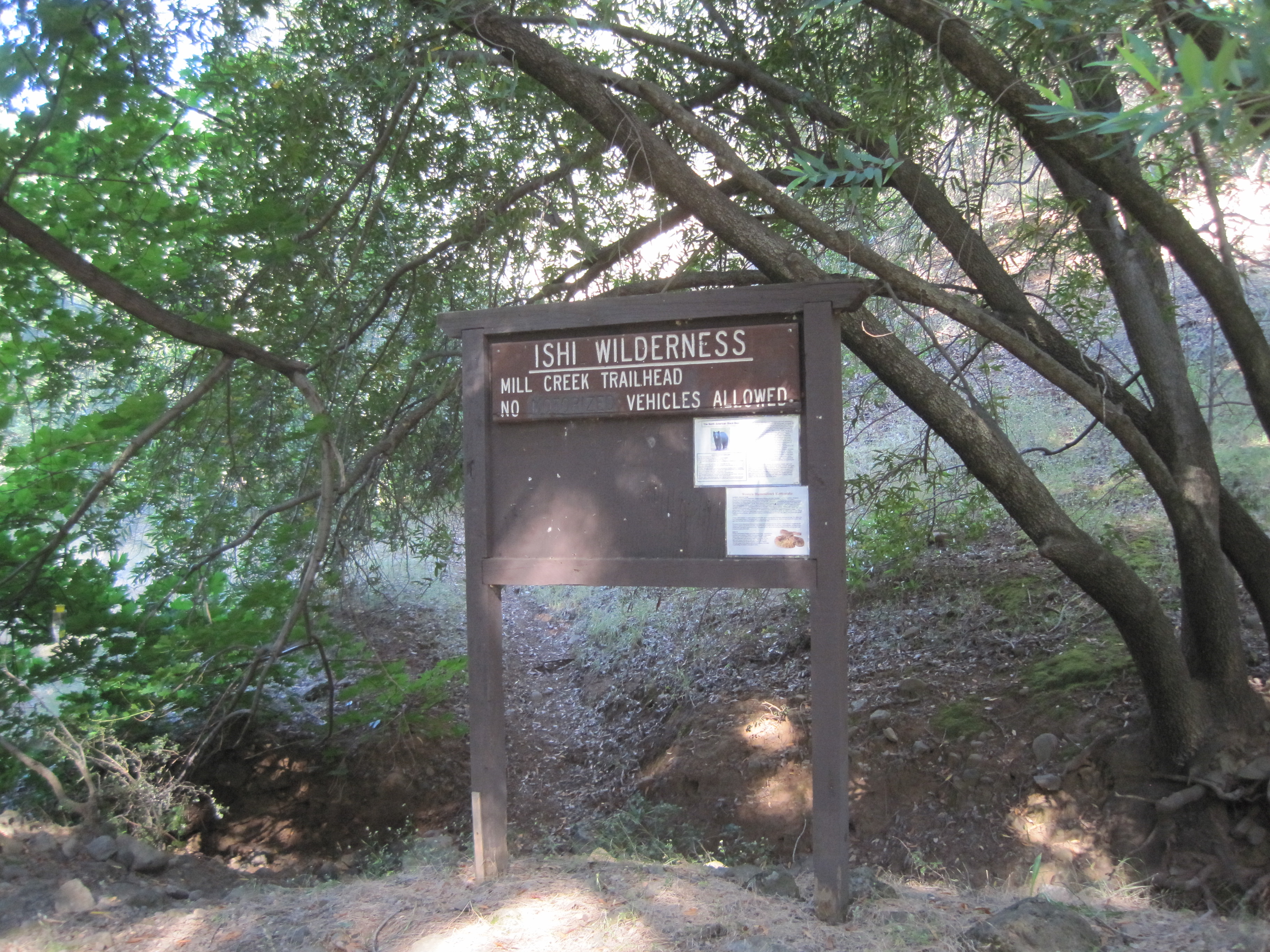
What I landed on was the Ishi Wilderness. Forty thousand acres of canyon and chaparral in the southern Cascades foothills of Northern California, named for the last surviving member of the Yahi people. Lightly traveled. Hot in summer. Almost no permits required, almost no cell service, almost no people. Exactly the kind of place that would force me to remember what I used to know.
Why Ishi
People who backpack a lot in California tend to not think about Ishi much. The big-name trips happen in the Sierra — Yosemite, Sequoia and Kings Canyon, the John Muir Trail, the eastern slope. Ishi is in the wrong direction for that crowd. It’s also lower elevation than the high-country trips most weekenders chase, which means it gets brutally hot in midsummer and the views are foothill country rather than alpine. The lakes you came to California to see aren’t here.
That’s exactly why I picked it. After ten years away I didn’t need lakes. I needed a quiet place to remember how to do this. Ishi is one of the most remote, least-visited federally designated wilderness areas in the state — and that solitude was the point. It’s also one of the few wilderness areas accessible from the Sacramento Valley without first crossing a mountain range, which made it a one-day drive from home with no overnight logistics.
And there was the other reason: this was the first wilderness area I’d be checking off a list I hadn’t fully formed yet. There’s something about the federal Wilderness Act designation that I love — the legal commitment to keep these lands “untrammeled by man,” with no roads, no motorized vehicles, no permanent structures. California has more designated wilderness than almost any other state. Beginning the project of seeing them all, one at a time, made small overnighters like Ishi feel like the start of something larger rather than a consolation prize.
The Drive In
I went with a friend. We loaded packs the night before — the kind of slow, slightly nervous loading where you keep checking and rechecking that you have the stove fuel, the map, the water filter — and drove out the next morning. The road in toward Mill Creek runs through ranch country and oak savanna before climbing up into the wilderness boundary. It is the kind of country that looks like California in summer: gold grass, scattered live oaks, blue distance.
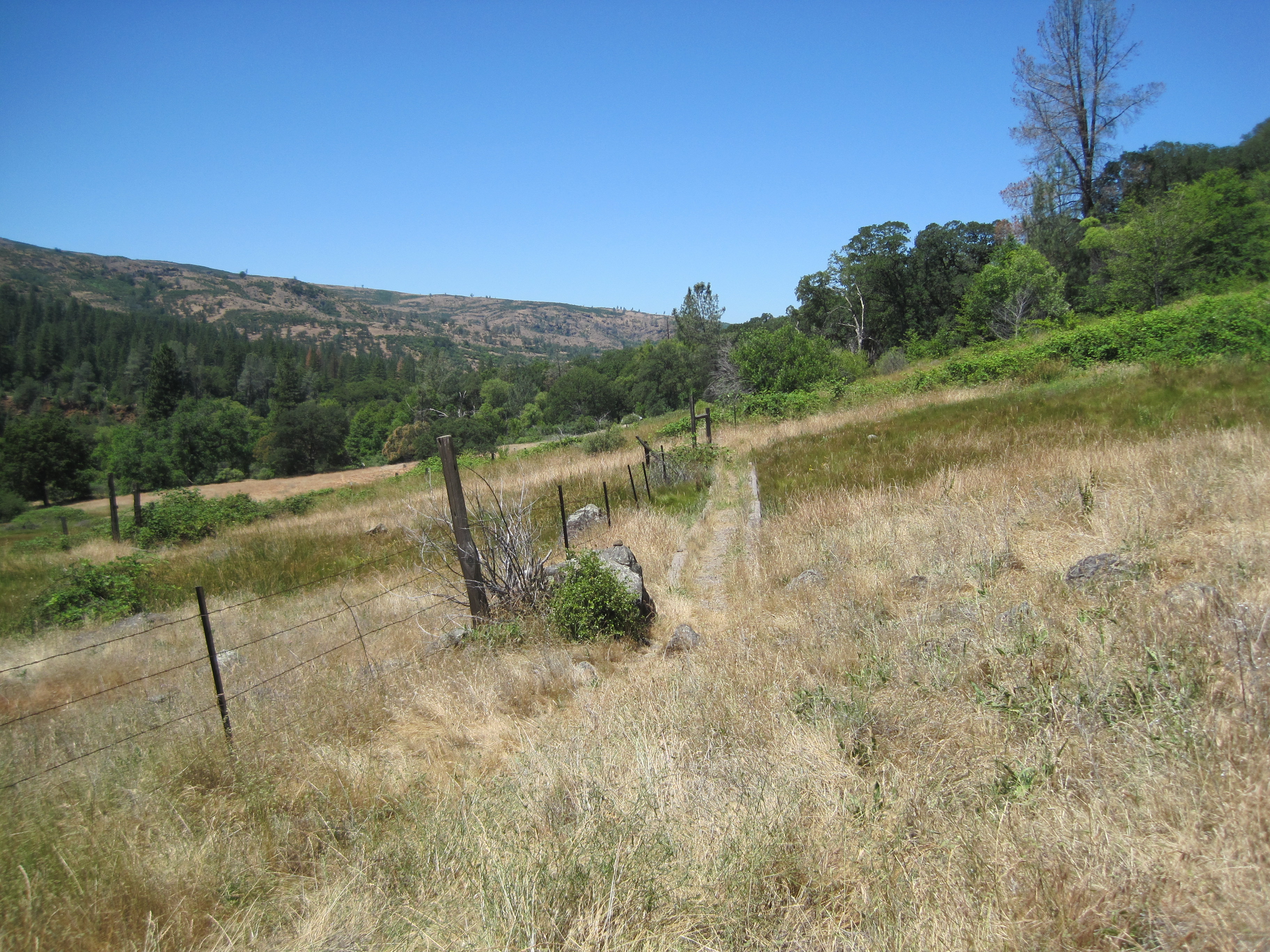
By the time we got to the trailhead the heat was up. The Mill Creek Trailhead is small — a wooden sign, a clearing big enough for a few cars, and a path heading off into the trees. No ranger station. No water spigot. No permit kiosk. Just the sign and the trail. We shouldered packs and started walking.
Out and Back Along Mill Creek
The plan was modest: an out-and-back along the Mill Creek drainage. Hike in until we found a campsite that felt right, set up, sleep, hike out the same way the next morning. Total: two days, one night. Modest enough that any one component of the trip going sideways — bad gear, blisters, getting turned around — would still leave us within a few hours of the truck.
The country on the way in is exactly what the photos show. Mixed conifer and oak above, manzanita and brush at trail height, the occasional opening with a long view across to the next ridge.
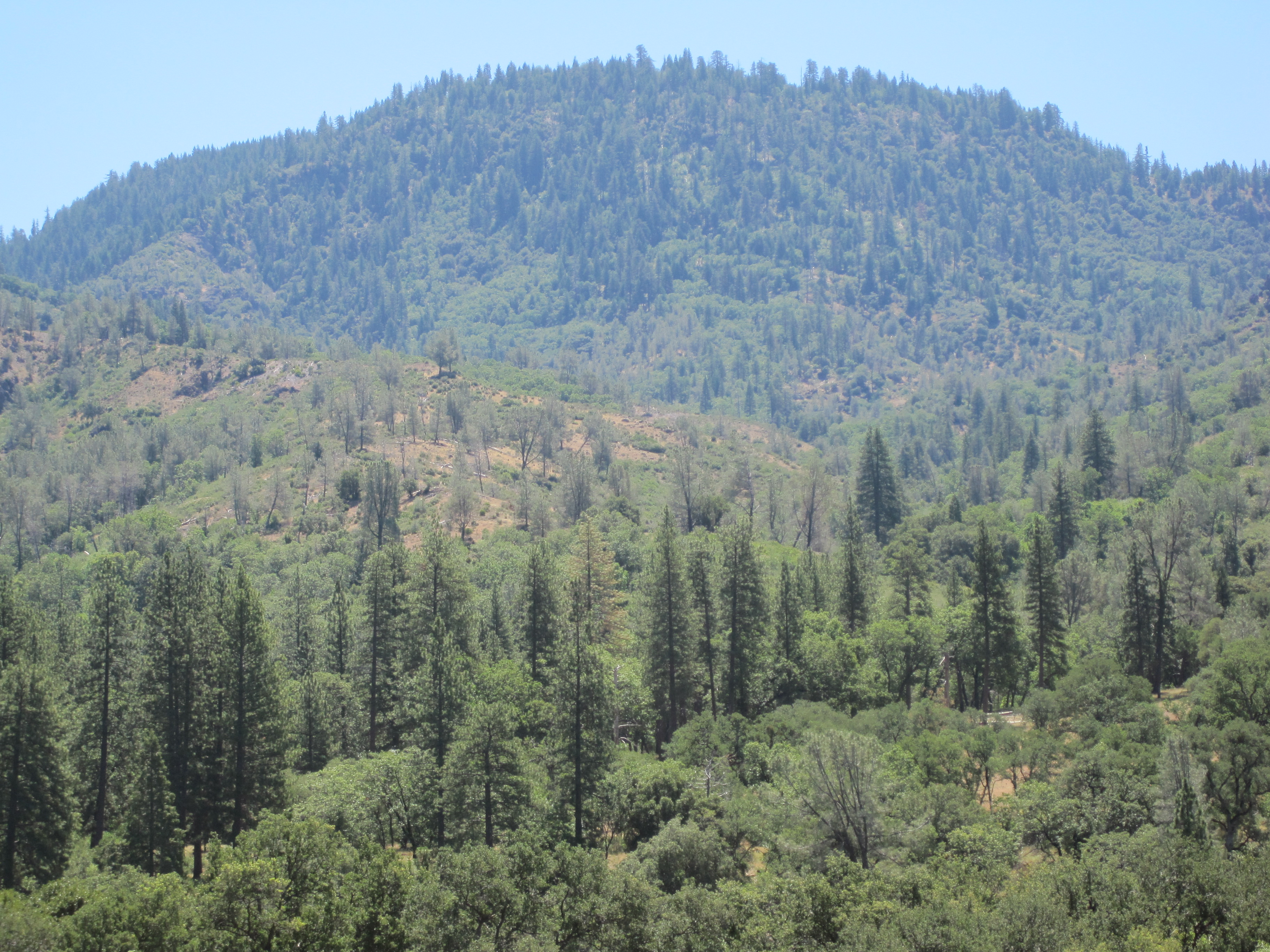
Mill Creek itself runs cold even in midsummer, which made it the obvious feature to camp near. Water for filtering, white noise to sleep to, and (when the sun got high) a place to sit with your feet in fast-moving snowmelt that’s been pulling heat out of granite a few thousand feet up the watershed.
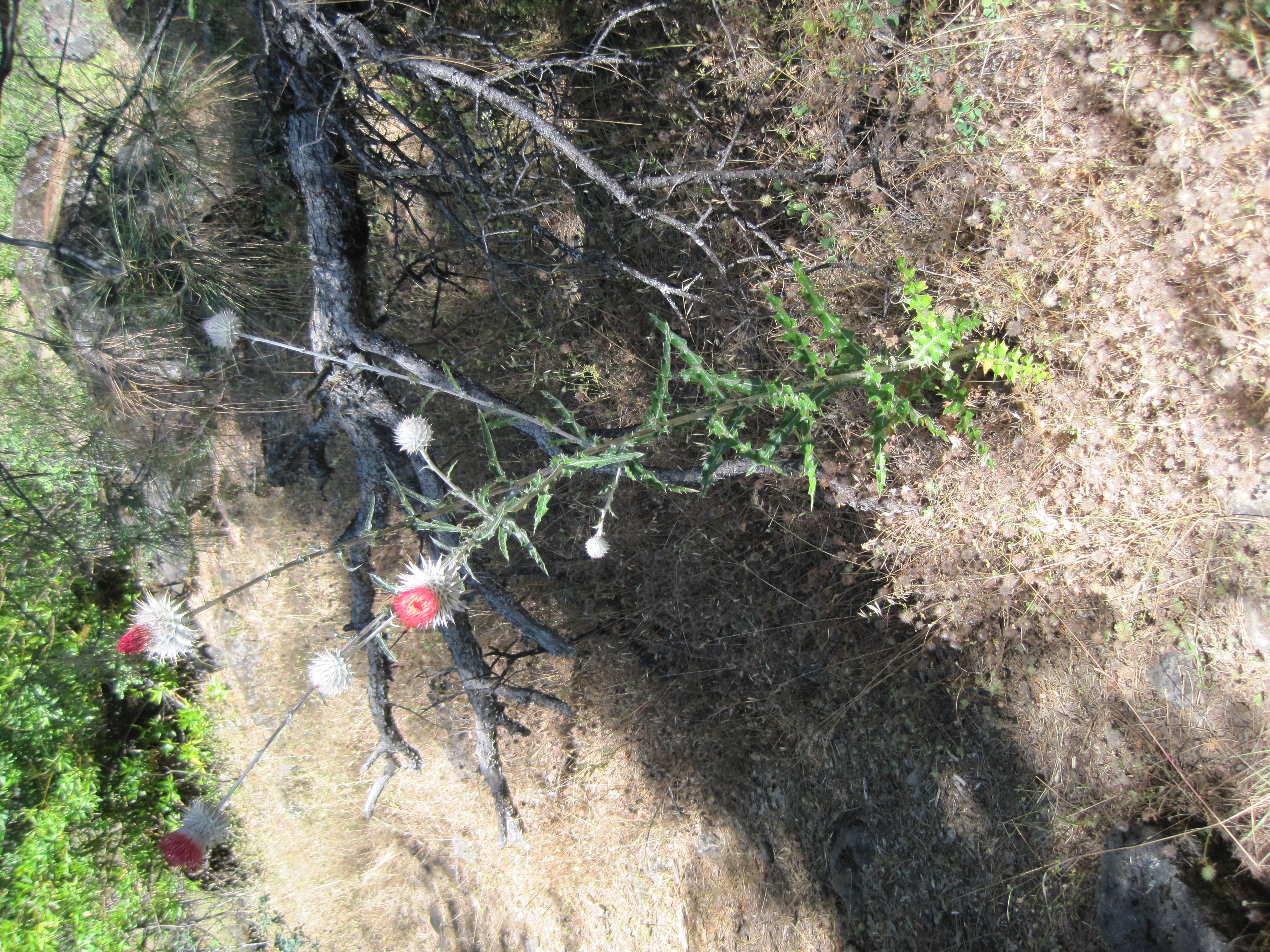
You also notice things in Ishi that you don’t notice in busier wilderness — the small details that get overrun in places where two hundred people walk by every day. Wildflowers grow out of the trail tread. Game tracks crisscross the dust. The chaparral smells different at three in the afternoon than it does at six. You’re given enough quiet to notice all of it.
First Night Back
We found a campsite on a flat near the creek and set up. The order of operations came back faster than I’d expected — find a flat spot, clear the worst of the rocks and pinecones, pitch the shelter, lay out the bag, fire up the stove. Muscle memory from a decade earlier, slightly rusty, mostly intact. The first dinner cooked from a backpacking stove after that long away tasted improbably good. It always does, the first night out.
And then it got dark, and we sat there. That’s the part that’s hard to describe to anyone who hasn’t done it. There’s a particular kind of quiet that you only get in actual wilderness — quiet that is not silence, exactly, because the creek is doing its thing and the wind moves through the pines and somewhere a long way off something cracks a stick — but quiet in the sense that the noise of human civilization is genuinely absent. No traffic. No air conditioners. No neighbors. No phone. The mind, deprived of its usual feed, settles into something different.
I remember thinking, that night: oh. There you are. Some part of me that had been quiet for a decade was awake again. Not loud, just awake. The same part that had liked the cold mornings at Philmont. The same part that had watched the loons in Boundary Waters. It hadn’t gone anywhere. It had just been waiting for somebody to take it back outside.
I slept hard. I always do, the first night out.
The Walk Out
The hike out the next morning was the same trail, but the trail in and the trail out are never really the same. You’re already a slightly different person on the way back. You know what’s around each corner because you walked through it the day before, but you also know what’s at the other end of the corner the day after — the truck, the drive home, the email — and that knowledge changes the feel of the steps you’re taking now.
I walked out of Ishi quietly. We didn’t talk much. I was mostly thinking about the next trip.
What That Trip Did
It would be an exaggeration to say the Ishi overnight changed my life. It was, on paper, a small trip. Two days, one night, an easy out-and-back along a single drainage. No epic mileage, no dramatic weather, no summit. The route guide I could write for it would fit on an index card.
What it did do is reset the default. Before Ishi, “I used to backpack” was a past-tense fact about me. After Ishi, “I backpack” was a present-tense fact again. That’s the shift the photo at REI had set in motion the year before, but a photo can’t actually move you back into the woods. Only walking back into the woods does that.
From Ishi forward, the trips kept coming. Slowly at first — a single overnight here, a two-night loop there — then bigger ones. Better gear started showing up in the closet. The maps got specific. By 2013 I felt ready to go look for the lakes on the original map.
That’s the next chapter: in 2013, two years after Ishi, I finally went to find Sapphire and Emerald Lakes — the photo from REI made real, deep in the Trinity Alps. The trip that would set the standard against which every California backpacking trip since has been measured.